Kindle Guide to ChatGPT for Home Organization: Make Everyday Tasks Easier
Keeping a home organized sounds simple until everyday responsibilities begin to pile up. Shopping lists, cleaning routines, meal ideas, appointments, personal projects, and small reminders can quickly become difficult to manage. This is where an AI assistant such as ChatGPT can become a useful planning companion. Hello, ChatGPT: Your Personal AI Assistant for Home, Travel, and Everyday Life introduces practical ways to explore these kinds of everyday uses without requiring users to be technology experts.
For beginners, the most useful way to approach ChatGPT is not to think about complicated artificial intelligence concepts. Instead, start with an ordinary task that needs to be organized. You might have a long list of things to do around the house and simply want help turning that list into a clearer routine. ChatGPT can generate a suggested structure based on the information you provide, which you can then adjust according to your actual schedule.
Using ChatGPT to Organize Household Tasks
Household tasks often become easier to manage when they are divided into smaller groups. Instead of looking at everything at once, you can describe the tasks you normally need to complete and ask ChatGPT to organize them into a practical checklist. You might separate daily activities from weekly or occasional responsibilities.
The resulting plan should be treated as a suggestion rather than a strict schedule. Every household has different needs, available time, and priorities. The value of using AI is that it can help transform scattered information into a structure that is easier to review and modify.
Create a Simple Cleaning Routine
Cleaning is another everyday activity that can benefit from better organization. Some people prefer doing a little each day, while others prefer setting aside specific periods during the week. ChatGPT can help brainstorm different approaches based on the routine you describe.
For example, you could provide a list of rooms and regular cleaning tasks and ask for a sample weekly schedule. You can then change the suggested schedule to fit your lifestyle. If Tuesday is already busy, perhaps certain tasks can be moved to another day. The important part is that the AI helps with the initial organization while you remain in control of the final routine.
Build Better Shopping Lists
A shopping list can become surprisingly long when it includes food, household supplies, personal items, and other necessities. ChatGPT can help organize a collection of items into categories so that the list is easier to review before going shopping.
You can also provide a basic meal plan and ask for a corresponding ingredient list. This can reduce the amount of time spent manually converting several meal ideas into one shopping checklist. However, users should always review the final list and make sure that quantities and ingredients match their actual needs.
Meal Planning With an AI Assistant
Deciding what to prepare for dinner every day can become repetitive. ChatGPT can be used to generate meal ideas based on ingredients you already have or preferences you provide. You can specify the number of meals you need, the type of food you enjoy, or the amount of preparation time you want to spend.
This can be particularly helpful when you have several ingredients at home but are unsure how to combine them. Rather than asking for one specific recipe immediately, you can first ask for several ideas and then decide which option sounds most suitable.
Food-related suggestions should still be reviewed carefully. If you have allergies, specific dietary requirements, or health-related restrictions, do not rely solely on an AI-generated response. Check ingredients and seek appropriate professional advice when necessary.
Organize Family Activities
Family life can involve many different activities happening at the same time. An AI assistant can help create a simple overview of upcoming tasks or events when you provide the relevant information.
For example, you could give ChatGPT a list of activities planned for the week and ask it to arrange them into a simple schedule. You can then identify conflicts, add reminders, or reorganize activities based on your family’s preferences.
Plan Small Home Projects
Not every home project requires a complicated plan. Even a small project can become easier when its steps are written down in the correct order. Whether you are organizing a storage area, preparing a room for a change, or making a list of supplies for a weekend project, ChatGPT can help brainstorm possible steps.
The ChatGPT home organization approach works best when you provide specific information. Instead of asking for a generic project plan, explain what you want to accomplish, what resources you already have, and what limitations you need to consider.
Turn Random Ideas Into Actionable Lists
Sometimes the biggest problem is not a lack of ideas but having too many of them at once. A person may have several things they want to accomplish but no clear order in which to approach them.
ChatGPT can help turn those thoughts into categories or priorities. You can write down everything that is on your mind and ask the AI to organize the information into a structured list. After reviewing the result, you can decide what should actually be done first.
Create Personal Routines
Routines can make repetitive activities easier to remember. A morning routine, evening routine, weekend checklist, or preparation routine can all be organized with help from an AI assistant.
The advantage is flexibility. If your routine changes, you can simply describe the new situation and ask for another version. You do not have to follow the first suggestion exactly. The purpose is to make planning easier, not to create another rigid system that becomes difficult to maintain.
Why Context Matters When Using ChatGPT
One of the most important lessons for beginners is that the quality of an AI response can depend heavily on the information included in the request. A simple prompt such as “organize my house” does not tell the AI enough about your situation.
A more useful request could explain which areas need attention, how much time is available, and what tasks are most important. Adding these details gives ChatGPT a better starting point and makes it easier to evaluate the suggestions it provides.
Keep Personal Information in Mind
When using any online AI service, users should think carefully about the information they share. There is rarely a reason to provide unnecessary sensitive personal details when asking for help with ordinary household organization.
You can usually describe a situation in general terms. For example, instead of providing private information about every member of a household, you can simply describe the number of people involved and the type of schedule you are trying to organize.
AI Should Support Your Decisions
It is helpful to remember that ChatGPT is an assistant, not a replacement for personal judgment. An AI-generated plan may look organized but still fail to account for something important in your real situation.
Review the suggestions, make changes, and keep only the parts that are genuinely useful. This approach allows you to benefit from AI while maintaining control over your household decisions.
Final Thoughts
Hello, ChatGPT: Your Personal AI Assistant for Home, Travel, and Everyday Life is aimed at readers who want to explore practical uses of ChatGPT beyond technical or professional tasks. Home organization is a good example because many household challenges involve arranging information, creating lists, brainstorming options, and turning a collection of responsibilities into a manageable plan.
Whether you want to organize cleaning tasks, prepare a shopping list, develop meal ideas, plan family activities, or structure a personal project, ChatGPT can provide a starting point. The most effective approach is to explain your situation clearly, review the response carefully, and customize the result according to your real needs.
For beginners, that simple process can make AI feel much less complicated. Instead of trying to learn every possible feature at once, start with one ordinary task. Describe what you need, ask for practical ideas, and then use your own judgment to turn those ideas into something that works in everyday life.

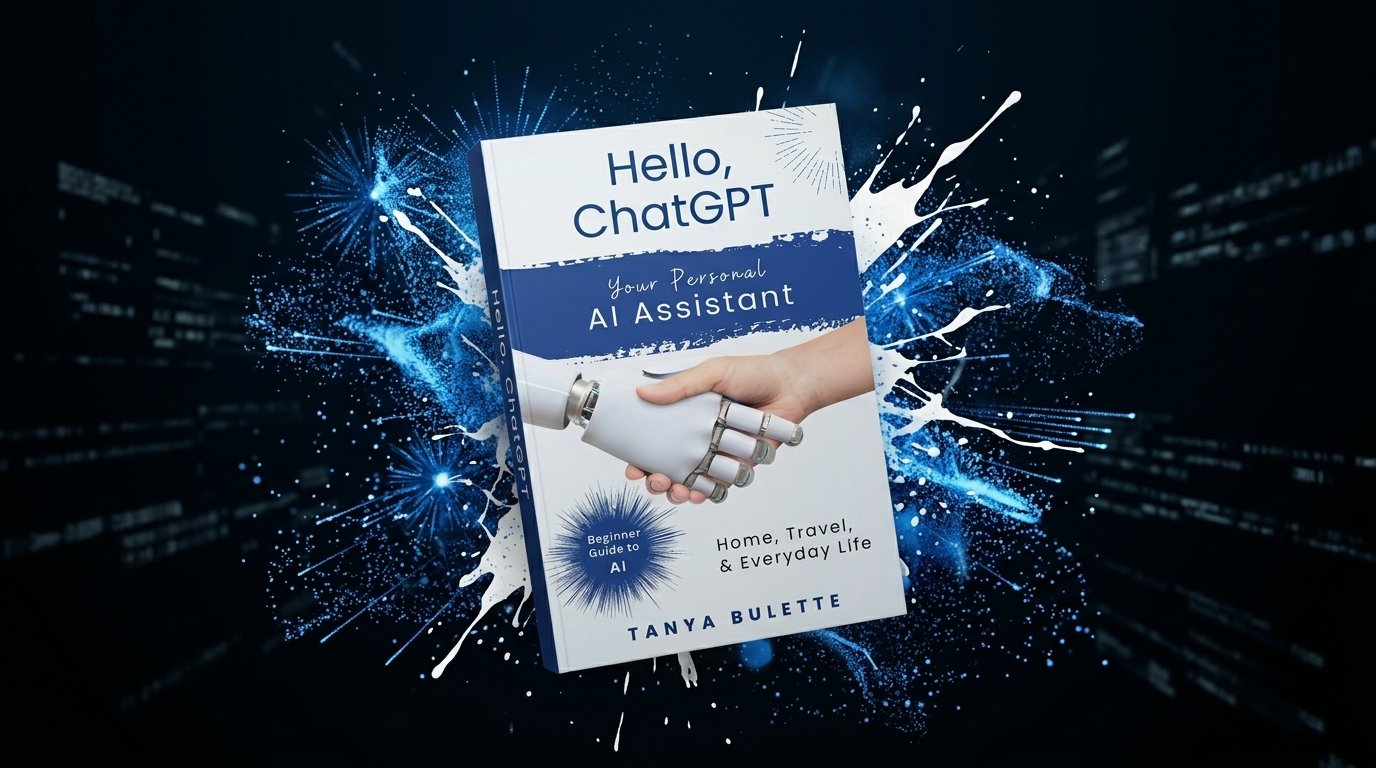
 Keeping a home organized sounds simple until everyday responsibilities begin to pile up. Shopping lists, cleaning routines, meal ideas, appointments, personal projects, and small reminders can quickly become difficult to manage. This is where an AI assistant such as ChatGPT can become a useful planning companion. Hello, ChatGPT: Your Personal AI Assistant for Home, Travel, and Everyday Life introduces practical ways to explore these kinds of everyday uses without requiring users to be technology experts.