Hello, ChatGPT: A Practical Guide to Using AI for Everyday Life
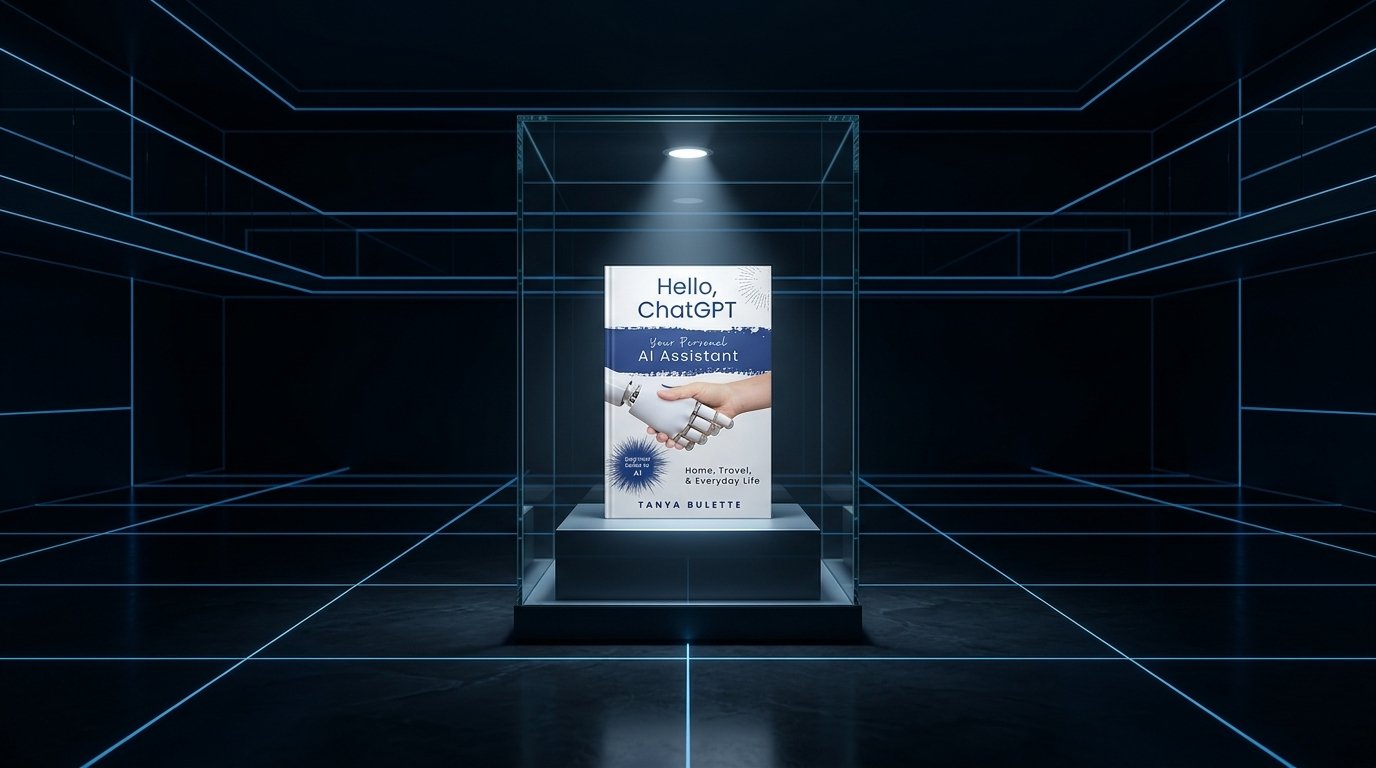
Artificial intelligence is becoming part of everyday life, but knowing that ChatGPT exists is very different from knowing how to use it effectively. Hello, ChatGPT: Your Personal AI Assistant for Home, Travel, and Everyday Life is aimed at readers who want to understand practical ways an AI assistant can fit into ordinary routines. Rather than treating AI as something complicated or reserved for technology experts, the book focuses on familiar situations where a conversational AI tool can help with ideas, organization, planning, and everyday tasks.
For someone who is completely new to ChatGPT, having a practical guide can make the learning process feel less overwhelming. There are many possible ways to interact with an AI assistant, and beginners may not always know what to ask or how to describe what they need. A good starting point is to think about ChatGPT as a tool for working through information and ideas. You can explain a task, ask for suggestions, request an organized list, or ask the AI to help you approach a problem from a different perspective.
ChatGPT for Everyday Tasks
One of the most interesting aspects of using ChatGPT is that its usefulness does not have to be limited to technical work. Everyday activities can also provide opportunities to use an AI assistant. For example, you might want help creating a weekly schedule, organizing a list of household tasks, brainstorming ideas for an upcoming event, or turning a collection of thoughts into a clearer plan.
The key is to provide enough context. A short and vague request may produce a general answer, while a more detailed prompt can give the AI a better understanding of what you are trying to accomplish. This is one of the basic skills that beginners can develop when learning how to work with ChatGPT.
Using AI Around the Home
Home organization is another area where an AI assistant can be useful. Instead of trying to remember every small task, you can use ChatGPT to help structure a routine or turn a collection of responsibilities into an easier-to-follow checklist.
For example, you could describe the tasks you normally handle during a week and ask for them to be organized by day. You can also provide preferences such as available time, priorities, or the number of people involved. The resulting suggestions can then be adjusted to match your actual routine.
This does not mean an AI assistant knows your household better than you do. Its role is to help organize information and generate ideas based on the details you provide. You remain responsible for deciding which suggestions actually make sense.
Planning Trips With ChatGPT
Travel planning can involve many small decisions, from deciding what to pack to organizing activities and estimating how much time different plans might require. ChatGPT can be useful as a brainstorming and planning companion.
A traveler could provide a destination, trip length, preferred activities, and general interests and then ask for an example itinerary. The result can serve as a starting point rather than a fixed schedule. Plans can then be changed according to opening hours, transportation options, budget, weather, personal preferences, and other real-world considerations.
This approach is especially useful for beginners because it demonstrates how an AI assistant can turn a simple conversation into an organized plan. Instead of searching for every idea separately, users can begin by describing the type of experience they want.
Meal Planning and Grocery Lists
Deciding what to prepare for meals every day can become repetitive. ChatGPT can help generate ideas based on information such as preferred foods, available ingredients, the number of meals needed, or a particular style of cooking.
Once a meal plan has been created, users can ask the AI to organize the ingredients into a grocery list. This can make the process more structured and potentially save time when preparing for a shopping trip.
However, AI-generated meal suggestions should always be checked against individual dietary needs, allergies, medical advice, and ingredient information. ChatGPT can help with organization and brainstorming, but it should not replace professional advice when health-related decisions are involved.
Setting Personal Goals
Another practical use of ChatGPT is turning a broad goal into smaller steps. Saying that you want to learn something new or become more organized is easy, but figuring out what to do first can be harder.
You can describe your goal and ask ChatGPT to help break it into manageable actions. The response can then be reviewed and adjusted based on your available time and priorities. This can be a useful way for beginners to learn that AI works best when the conversation includes specific information about what they actually want to achieve.
ChatGPT for Work and Career Tasks
ChatGPT can also be useful for certain writing and brainstorming tasks related to work. For example, users may ask for help creating a first draft of a professional message, organizing ideas for a project, preparing questions for an interview, or improving the structure of a resume.
The important point is to treat AI-generated text as a starting point rather than automatically accepting every sentence. Personal details, qualifications, dates, names, and professional claims should be checked carefully before anything is submitted or sent to another person.
Learning How to Ask Better Questions
Perhaps the most valuable lesson for a beginner is learning how to communicate clearly with an AI assistant. ChatGPT does not necessarily know what you are thinking unless you explain it. Adding useful context can make a major difference.
Instead of asking, “Make a plan,” you could explain what you are planning, what your goal is, how much time you have, and what limitations you need to consider. The more useful information you provide, the easier it becomes to evaluate whether the response fits your situation.
Why a Beginner-Friendly Guide Can Be Useful
The idea behind Hello, ChatGPT is particularly relevant for people who have heard about artificial intelligence but have not yet incorporated it into their everyday routines. A practical guide can help transform an unfamiliar technology into something easier to understand through ordinary examples.
Instead of approaching ChatGPT as a complicated piece of technology, beginners can think about specific problems they already encounter. If the problem involves organizing information, brainstorming possibilities, creating a first draft, or turning scattered ideas into a structured list, an AI assistant may have a useful role to play.
Use AI as an Assistant, Not a Replacement for Judgment
It is important to maintain realistic expectations. ChatGPT can generate useful ideas and text, but it can also make mistakes. Information should be verified when accuracy matters, particularly for financial, legal, medical, safety, or other high-impact decisions.
The best approach is to combine AI assistance with human judgment. Let the technology handle some of the repetitive thinking, organization, and brainstorming while you remain responsible for checking the result and making the final decision.
Final Thoughts
Hello, ChatGPT: Your Personal AI Assistant for Home, Travel, and Everyday Life presents an approachable concept for people who want to explore practical uses of conversational AI. Its focus on everyday activities makes the subject easier to understand, especially for readers who are still discovering what ChatGPT can do.
Whether the goal is organizing household routines, planning a trip, creating meal ideas, setting personal goals, preparing professional documents, or simply learning how to communicate more effectively with AI, the underlying lesson is similar: start with a real problem and explain what you need clearly.
For beginners, that mindset can be more valuable than memorizing complicated prompts. ChatGPT is best viewed as a flexible assistant that can help generate ideas, organize information, and provide a starting point. The final decision, verification, and personal judgment should always remain with the user.

 Artificial intelligence is becoming part of everyday life, but knowing that ChatGPT exists is very different from knowing how to use it effectively. Hello, ChatGPT: Your Personal AI Assistant for Home, Travel, and Everyday Life is aimed at readers who want to understand practical ways an AI assistant can fit into ordinary routines. Rather than treating AI as something complicated or reserved for technology experts, the book focuses on familiar situations where a conversational AI tool can help with ideas, organization, planning, and everyday tasks.