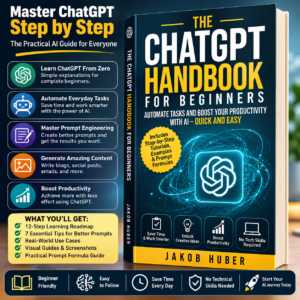
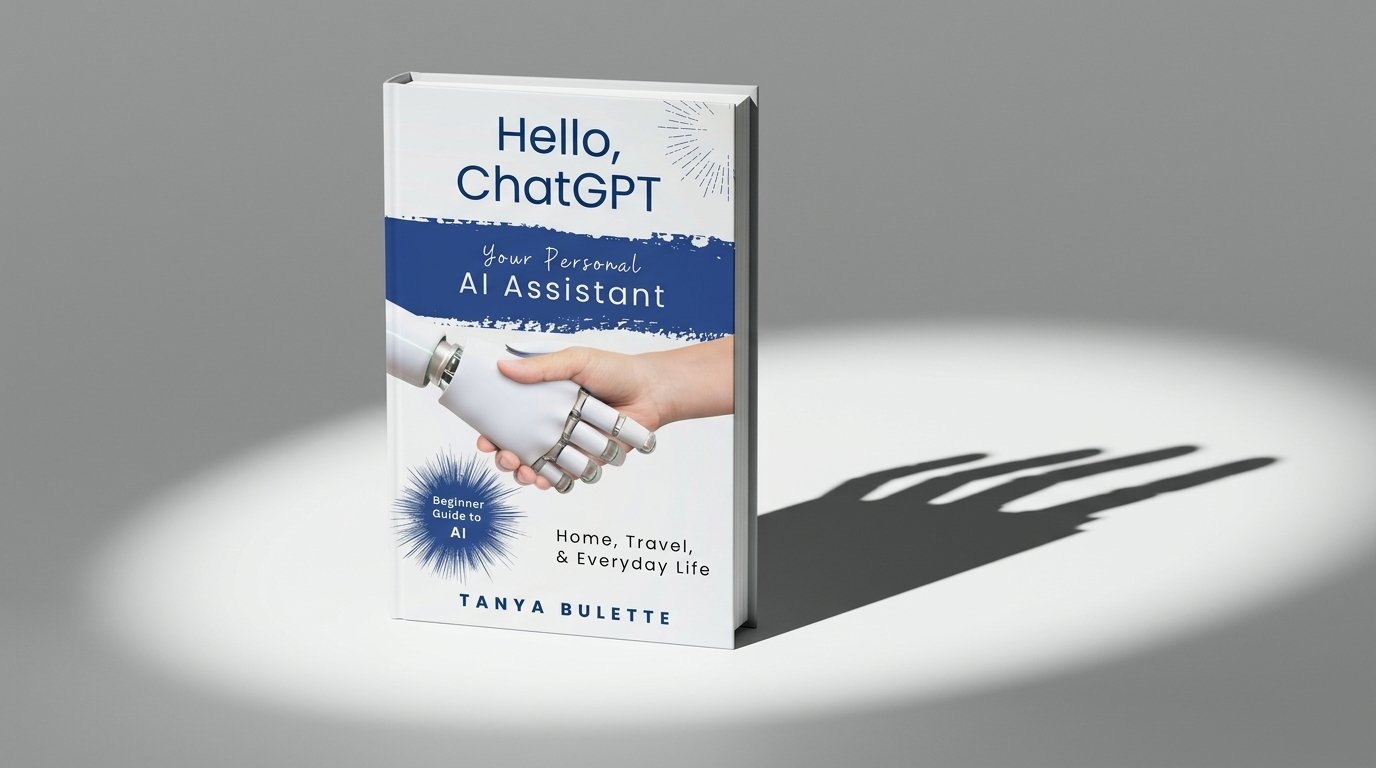
Is a ChatGPT Guide Worth Reading? Practical Reasons to Learn How AI Assistants Work
Learning how to use an AI assistant effectively can be easier when you understand what the technology can realistically do and how to communicate with it. For someone who has only used ChatGPT occasionally, a practical guide can provide a more structured way to discover useful features, everyday applications, and better prompting techniques without having to learn everything through trial and error.
Why Learn How to Use ChatGPT?
Many people begin using ChatGPT by asking simple questions, but an AI assistant can be used for much more than basic conversations. It can help users brainstorm ideas, organize information, prepare lists, improve drafts, plan activities, and explore different approaches to everyday tasks.
The challenge for beginners is often not knowing that these possibilities exist. A structured learning resource can introduce practical examples and explain how to approach different tasks, making it easier to understand when an AI assistant can actually be useful.
A Guide Can Make the Learning Process More Organized
Learning through random experiments can work, but it can also leave users with an incomplete understanding of what the tool can do. A well-organized guide can provide a sequence of examples that gradually introduces different ways to interact with ChatGPT.
This can be particularly useful for people who prefer learning through practical situations rather than technical explanations. Everyday examples can make unfamiliar AI concepts easier to understand.
What Makes a Practical ChatGPT Guide Useful?
Not every guide provides the same type of value. A useful resource should focus on practical situations and explain how users can adapt the techniques to their own needs. It should also recognize that AI-generated responses need to be reviewed rather than accepted automatically.
Clear Examples for Everyday Situations
One of the most useful elements of a beginner-friendly guide is the use of realistic examples. Planning a trip, organizing household tasks, preparing a checklist, brainstorming ideas, or improving a piece of writing can demonstrate how a simple conversation with an AI assistant can become more productive.
Examples also give beginners a starting point. After seeing how a request is structured, users can modify the approach for their own circumstances.
Practical Prompting Techniques
The way a request is written can influence the usefulness of the response. A good guide can explain why context, goals, preferred format, and specific instructions matter.
For example, instead of asking ChatGPT to “make a plan,” a user can explain the purpose of the plan, available time, priorities, and preferred format. This gives the AI more information to work with and makes the resulting response easier to evaluate.
Everyday Tasks Where ChatGPT Can Be Helpful
One reason people may find a ChatGPT guide useful is that AI assistants can be applied to ordinary tasks that do not require specialized technical knowledge. Starting with familiar activities can also make the learning process less intimidating.
Home and Household Organization
ChatGPT can help brainstorm household routines, organize task lists, create checklists, and develop ideas for managing a busy week. Users can provide their own information and ask the AI to arrange it into a clearer structure.
The final plan should always be adapted to the actual household. AI can organize information, but it cannot automatically know everyone’s preferences, responsibilities, or practical limitations.
Travel and Activity Planning
Travel preparation is another area where ChatGPT can help with brainstorming. Users can request itinerary ideas, packing checklists, activity suggestions, or questions to consider before a trip.
Travel information such as opening hours, transportation schedules, prices, entry requirements, and local rules can change. Important details should therefore be verified through current and appropriate sources before making decisions.
Writing and Personal Productivity
ChatGPT can also assist with everyday writing and organization. It can help structure notes, brainstorm topics, revise drafts, create task lists, and break larger projects into smaller steps.
These applications show why learning how to communicate with an AI assistant can be more valuable than simply knowing how to ask it a single question.
When a ChatGPT Guide May Be Especially Useful
A structured guide may be helpful for people who have heard about ChatGPT but are unsure how to move beyond basic questions. It can also benefit users who already use the tool but want to discover more practical ways to incorporate it into their routines.
For Complete Beginners
Someone who is unfamiliar with AI may benefit from simple explanations and step-by-step examples. Starting with everyday tasks can provide a comfortable introduction before experimenting with more advanced uses.
For Occasional ChatGPT Users
People who already use ChatGPT from time to time may discover that they are only using a small portion of its potential. Exploring different prompting methods and practical scenarios can help them develop a more consistent approach.
What a ChatGPT Guide Cannot Replace
A guide can teach techniques and provide examples, but it cannot replace personal judgment. AI responses may contain errors or incomplete information, and users should verify important facts before relying on them.
Professional advice may also be necessary for decisions involving specialized areas such as medical care, legal matters, or significant financial decisions. ChatGPT can assist with general information or preparation, but it should not be treated as a substitute for an appropriately qualified professional.
How to Get the Most Value From a ChatGPT Guide
The best way to use a guide is to apply the ideas rather than simply reading them. After learning a particular technique, try adapting it to a real task. Notice what information produces a useful response and what details need to be clarified.
You can also develop your own collection of useful prompt patterns. Over time, these examples can become a personal reference for recurring activities such as planning, writing, brainstorming, organizing information, and preparing checklists.
Final Thoughts
A practical ChatGPT guide can be worthwhile for people who want a more organized introduction to AI assistants. Its greatest value is not simply explaining what ChatGPT is, but showing how the technology can be approached through realistic everyday situations.
For beginners, learning how to provide context, ask clear questions, request revisions, and evaluate responses can make a noticeable difference in the overall experience. The goal should not be to let AI handle every decision or task, but to understand where it can provide useful assistance.
A thoughtful approach also means recognizing the limitations of AI. Verify important information, protect unnecessary personal details, and review generated content before using it for significant purposes. When these principles are combined with practical prompting skills, ChatGPT can become a flexible tool for learning, planning, writing, and everyday organization.

 Many people begin using ChatGPT by asking simple questions, but an AI assistant can be used for much more than basic conversations. It can help users brainstorm ideas, organize information, prepare lists, improve drafts, plan activities, and explore different approaches to everyday tasks.